Multivitamins and dietary supplements come in many forms, from capsules and tablets to liquids and chewables. Gummies have become a favorite option for adults and kids because they are colorful, easy to take, and usually taste good.
That convenience can help people take supplements more consistently, especially anyone who struggles with pills or dislikes liquid formulas. Still, gummies are not always a one-for-one replacement for traditional vitamins. Some formulas may include added sugar, have lower nutrient levels, or leave out ingredients that are hard to make taste pleasant.
Before jumping on the gummy vitamin trend, it helps to look at the benefits and drawbacks.
Do Your Research
A healthy diet is still the best starting point for getting the nutrients your body needs. Nutrition guidance from trusted public health sources can help you understand which vitamins and minerals are commonly recommended through food.
If your doctor or clinician recommends a supplement, ask which type, dose, and format fits your situation. The right choice can depend on your age, diet, medications, health conditions, and lab results.
Supplements Are Not Reviewed Like Medicines
Dietary supplements are not regulated the same way as prescription drugs. That means the amount of nutrients inside a gummy may not always match what the label suggests.
The supplement facts panel can list nutrients such as vitamin D, potassium, fiber, and other ingredients, but accuracy can vary. Look for reputable companies, transparent labels, and third-party testing when possible.
Gummies can also break down faster than pills or tablets, so storage and expiration dates matter.
Important Nutrients May Be Missing
Some nutrients are difficult to include in gummy form. Iron, for example, has a metallic flavor that is hard to mask. Zinc and certain B vitamins can also have strong tastes, which may lead brands to lower the amount or add more sweeteners.
If you are taking a supplement for a specific nutrient, check the label carefully instead of assuming every multivitamin gummy includes it.
Watch the Sugar
Sugar is one of the biggest reasons to look closely at gummy vitamins. Many gummies use sugar or sugar substitutes to create their flavor and texture.
A gram or two per gummy may seem small, but it can add up if you take several gummies every day. That can matter for anyone trying to reduce added sugar, manage weight, support dental health, or control blood sugar.
Children may also be tempted to take more than directed because gummies can look and taste like candy. Keep supplements out of reach and follow the serving instructions.
Sugar-free versions may reduce sugar, but some formulas use acids or alternative sweeteners that may not be ideal for everyone. Read the full ingredient list, not just the front of the package.
Common Gummy Supplements
Multivitamin and mineral gummies usually combine several nutrients in one serving. There are also single-purpose gummies for nutrients or ingredients such as vitamin C, magnesium, melatonin, and apple cider vinegar.
Vitamin C
Vitamin C supports immune function, wound healing, and antioxidant activity. Fruits and vegetables are the best everyday source. Some vitamin C gummies include additional vitamins or minerals, but more is not always better because excess amounts may simply pass through the body.
Magnesium
Magnesium helps with muscle and nerve function, blood sugar regulation, blood pressure, protein production, bone health, and DNA production. Foods such as beans, nuts, seeds, whole grains, leafy greens, milk, yogurt, and other dairy products can help provide magnesium.
Magnesium supplements are available in gummy form, but the amount and type of magnesium can vary by product.
Melatonin
Melatonin is a hormone involved in sleep timing. Adults sometimes use it short term for sleep difficulties or jet lag. It should not be given to very young children, and parents should talk with a pediatrician before giving melatonin to older children or teens.
Apple Cider Vinegar
Apple cider vinegar is often marketed for blood sugar support. In gummy form, added sugars may work against the reason some people take it in the first place.
Gummies vs. Pills
If swallowing pills is difficult, taking them with food, splitting them when appropriate, or choosing a chewable version may help. Gummies can be easier to take, but pills and tablets may offer a broader nutrient profile with less sugar.
The best format is the one that fits your actual needs and can be taken safely and consistently. If you take medication, manage a health condition, are pregnant, or are choosing supplements for a child, ask a clinician what ingredients and dosage make sense.
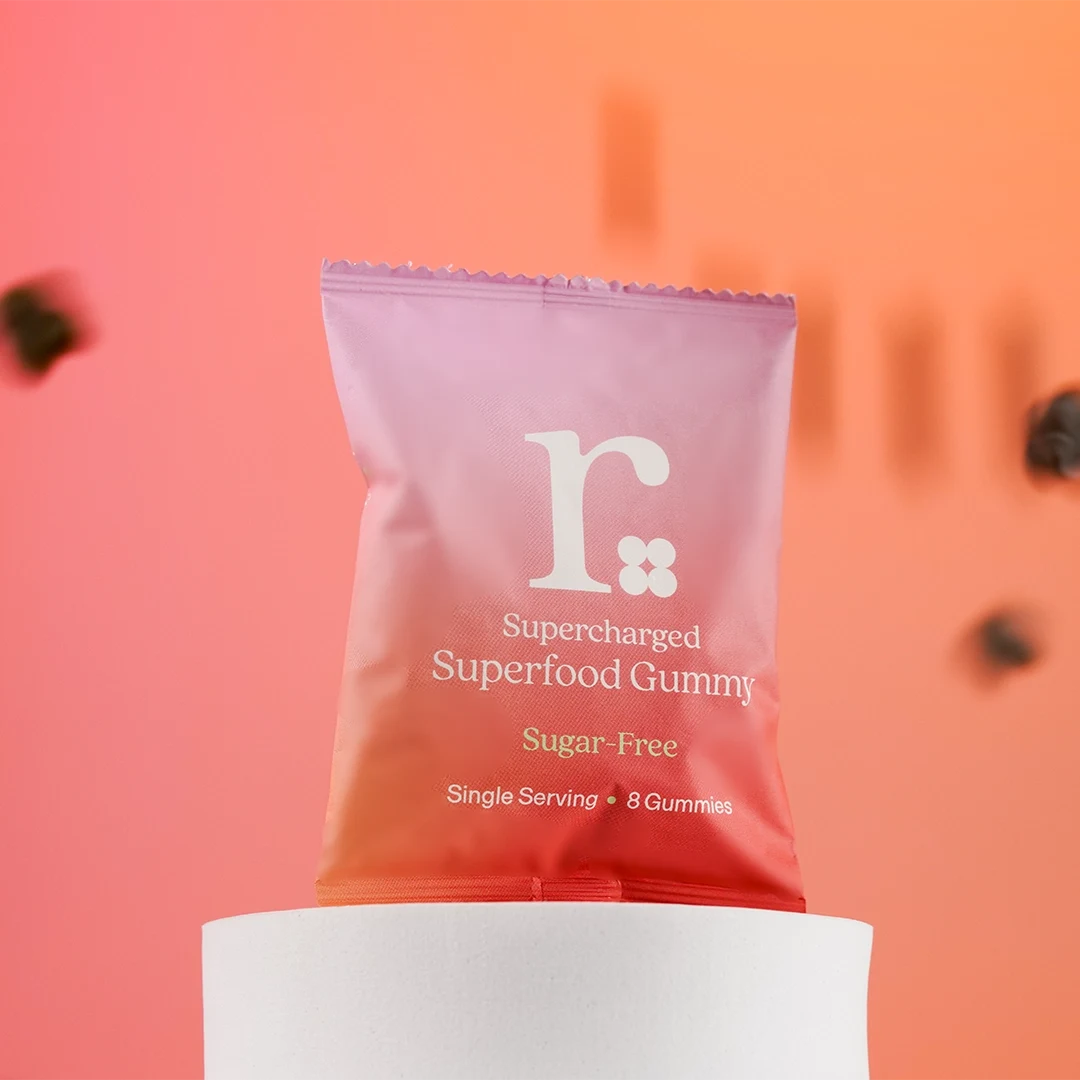
Try Rizz Superfood Gummies
Shop the gummy formula and review ingredients, serving details, and product information before you buy.